
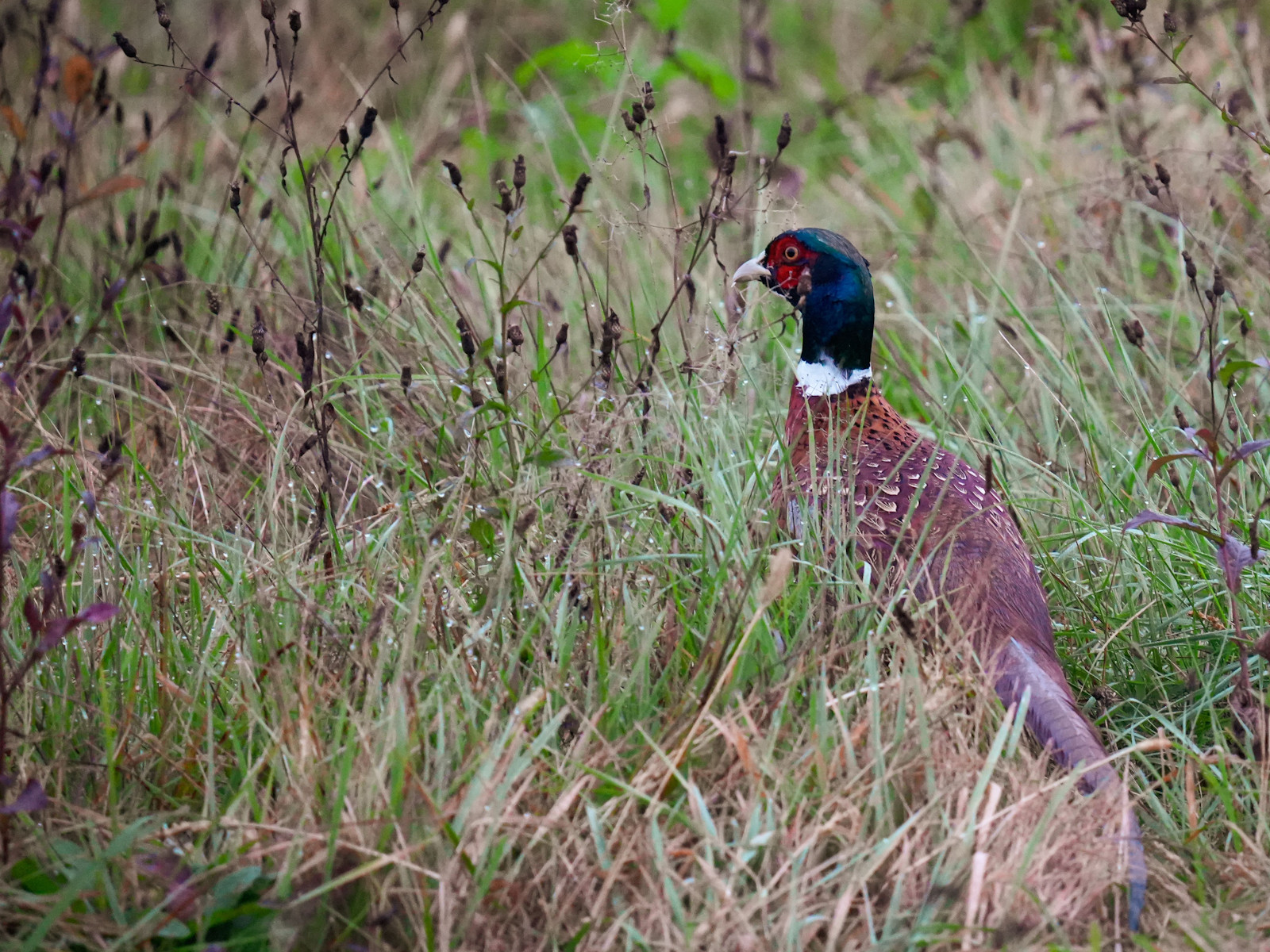
A recent judicial review has taken aim at what many see as regulatory overreach into the countryside. The case, brought by the British Association for Shooting and Conservation (BASC), challenged Natural England’s authority to regulate the management of gamebirds — pheasants and partridges.
Notably, in his judgment, Mr Justice Ritchie observed just how recent this regulatory oversight actually is:
Pheasants and Partridges have been resident in England for a long time, Pheasants since the 1100s and Partridges since the 1700s. They are resident and established in the wild. There was no regulation by licensing or criminalisation of the release of GBs into the wild, whether for shoots or otherwise, before 2021.
So why, after centuries of unregulated practice, did the state suddenly step in? The basis for this regulation traces back to the Wildlife and Countryside Act 1981, itself a response to EU directives on birds and habitats. The Act outlawed the release of non-native birds or listed resident species. Forty years later, in 2021, gamebirds were added to that list by the Secretary of State for Environment, Food and Rural Affairs – a move prompted by a bird flu outbreak.
That 2021 listing required a licence to release gamebirds. Three years later, in December 2024, Order No. 1342 made the licensing requirement permanent. Then, starting in May 2025, Natural England attached new conditions to licences: (i) preventing the release of gamebirds before a specified date, and (ii) preventing the keeping of gamebirds within a “Controlled Zone.” These zones originate from the EU directives that established Special Protection Areas (SPAs) and Special Areas of Conservation (SACs) – designations that, post-Brexit, remain effectively in force in the UK.
In response to these new conditions, BASC lodged a claim for judicial review against Natural England in September 2025. Natural England summarised the claim as follows:
The claim challenged licence conditions that restricted the keeping of gamebirds in release pens within SPAs and their 500m buffer zones before the beginning of the shooting season… BASC argued that Natural England had used its licensing powers for a purpose not authorised by the relevant legislation and had incorrectly interpreted what constitutes a “release into the wild”… BASC also challenged Natural England’s guidance that a licence would be required where a release pen falls partly within and partly outside a controlled zone.
BASC’s conservation director, Matt Ellis, argued that the licensing system was not only unlawful but actively undermined good gamebird management:
The licensing system as it stands is legally flawed, confusing, and has created real difficulties for gamekeepers, shoot managers and land managers who are working hard to manage the countryside responsibly. We are in court to secure clarity and fairness for our members, and to protect sustainable shooting and associated conservation work that benefits wildlife, habitats, and rural communities.
Mr Justice Ritchie agreed with BASC, ruling that the conditions Natural England had imposed were unlawful and irrational. He reasoned:
Based on my findings that Partridges are not released into the wild in closed pens around crops in ploughed land, and that keeping is not prohibited by S. 14(1), in my judgment it was irrational for NE to impose a condition… Likewise, based on my finding that Pheasants are not released, when put into open-topped pens in woodlands, it was irrational for NE to impose a condition…
Natural England has said it “respectfully disagrees with the judgment and intends to appeal the decision on a number of points of law.” In other words, this quasi-autonomous non-governmental organisation (quango) has, in its own view, acted in the public interest by licensing gamebird management practices and imposing new licensing conditions as it saw fit.
One has to wonder how the gamebird industry and the rural economy functioned for centuries before Natural England was established in 2006 with a mandate to regulate it. This judgment adds weight to a broader question worth asking: should quangos like Natural England be granted this kind of regulatory power in the first place?
By Francis Vorhies